
How to Get Back Into Reading: 7 Simple Ways to Start Again
By Brian Mills · Updated October 2026
If reading used to be part of your life but now feels hard to restart, you are not broken. You are just out of rhythm.
The easiest way back is to lower the pressure, pick books that hook you fast, and build a small routine you can keep. This guide covers seven simple ways to get back into reading, what formats count, and which books can help you rebuild momentum without turning reading into homework. And if you’ve never really been a reader, there’s a section for you too, on how to get into reading for the first time.
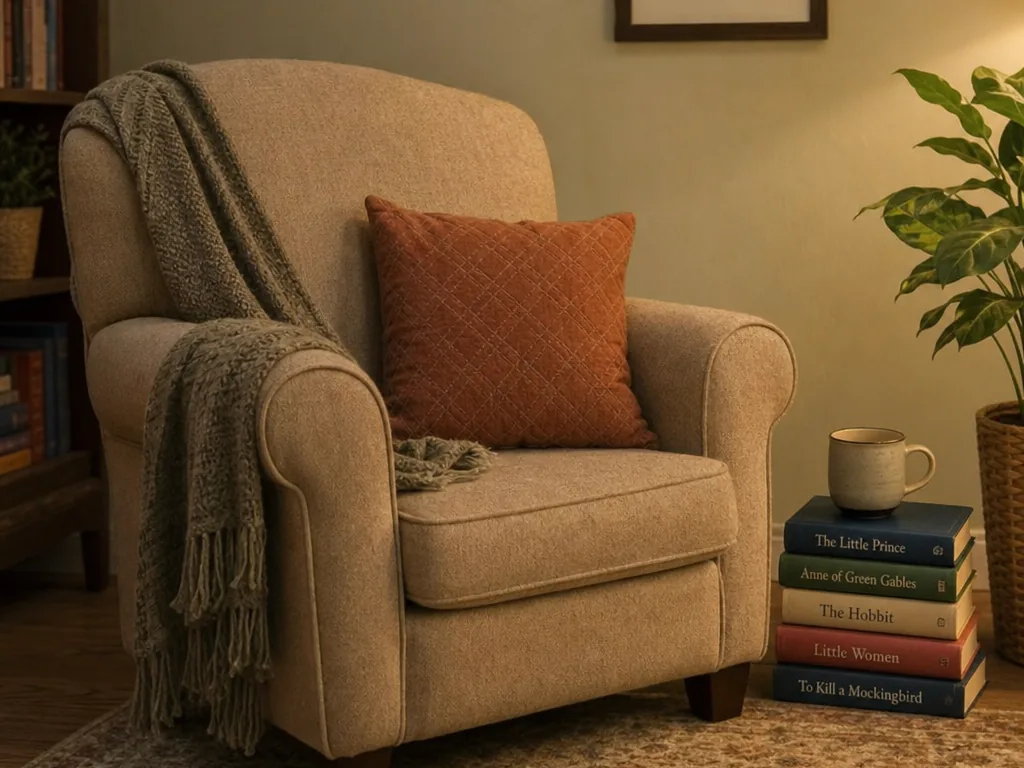
How Do You Get Back Into Reading After a Long Break?
You get back into reading by making it easy, fun, and repeatable before you make it big. Start with 10 minutes a day. Pick a book that feels truly interesting. Give yourself permission to quit anything that feels like a chore. The goal is not to prove you are a serious reader. It is to remind your brain that reading can be calm, funny, tense, comforting, or just fun.
A long break can create a lot of guilt. Maybe you used to fly through novels, and now you reread the same page three times.
Maybe school, work, parenting, burnout, or endless scrolling changed your attention span. That does not mean you have lost the skill. It means your reading muscle needs a warm-up.
Think of reading like a daily boost rather than a marathon.
All of these count:
- A few pages.
- An audiobook on a walk.
- A graphic novel.
- A reread of an old favorite.
Once the habit feels safe and rewarding again, longer sessions often come more easily.
Here are seven ways to get there.
1. Start Smaller Than You Think You Need To
One of the biggest mistakes returning readers make is choosing a huge classic, a dense nonfiction book, or the book they feel they should read. That can work for some people. But it often turns reading into a test. When you are rebuilding the habit, fast wins matter.
Try books with short chapters, a strong hook, or a voice that makes you want one more page. Thrillers, mysteries, young adult novels, romance, memoirs, novellas, and graphic novels are all good entry points because they build speed fast. If you are wondering how to start reading again, begin with the easiest path.
Use this simple starter plan:
- Pick one low-pressure book. Choose something short, popular, funny, tense, or familiar.
- Read for 10 minutes at the same time each day. Try before bed, after lunch, during coffee, or right after you put your phone on charge.
- Stop at a point that makes it easy to come back. Ending mid-chapter can pull you forward.
- Track only the days you read, not the pages. That keeps the focus on habit, not output.
- Quit quickly if the book drags. A boring book can kill a fragile habit.
The first book back does not need to be your favorite. It only needs to make reading feel possible again.
If you’re struggling to get into a book, give it about 50 pages before you decide. Most books take a few chapters to hook you. If it still feels like a chore after that, that’s your answer.
2. Pick Books With Momentum
These books are easy to enter, engaging, and low on friction. That does not mean they are simple. It means they give you enough reward early on to keep going.
Look for books with one or more of these features:
- A clear central question: Who did it? What happens next? Will they survive? Will the relationship work?
- Short chapters: These make it easier to read in small gaps of time.
- A strong voice: A narrator with personality can carry you through when you are tired.
- A familiar structure: Mysteries, quests, romances, and coming-of-age stories offer built-in speed.
- Lower pressure: Short books, novellas, essay collections, and graphic novels reduce the fear of never finishing.
If you want good books to get back into reading, choose joy over status. A gripping mystery that gets you reading three nights in a row is more useful than a praised book that sits on your nightstand.
3. Try These Types of Books to Get Back Into Reading
The best books to read to get back into reading are the ones that fit your current attention, mood, and curiosity, not a made-up version of yourself with endless time and focus. If you are tired, choose something fast and plot-driven. If you are stressed, select comfort, humor, or a familiar world. If you miss being absorbed, pick a book with stakes from the first chapter.
Here are several easy types to try, with examples instead of a strict plan.
Fast-paced fiction for quick immersion
Thrillers, mysteries, and adventure stories are popular re-entry picks because they create urgency. You do not have to push yourself when the plot keeps asking new questions. Agatha Christie mysteries, modern domestic thrillers, and page-turning adventure novels can help if distraction is your main barrier.
Science fiction and dystopian stories can work well too. Books like Ender’s Game or The Hunger Games are often recommended because they begin with clear stakes and move fast. If you want the best books to read to get back into reading after years away, that kind of direct pull can help a lot.
Short books, novellas, and slim classics
Length matters when you are rebuilding trust in yourself. Finishing a short book gives you a clear sign that you can still complete a reading life. Novellas, short literary novels, and small memoirs fit busy days and cut the need to catch up.
Try books under 250 pages, or under 150 pages if that feels better. You can also choose essay collections where each piece stands alone. This format works well when you only have small bits of energy.
Young adult, middle grade, and nostalgic favorites
Young adult and middle grade books are not only for young readers. Many are direct, fast, and built around clear conflict, which makes them great books to get back into reading. They can also bring back the feeling of reading for pleasure, not duty.
Rereading a childhood favorite is another smart move. Known books lower the barrier to entry, and nostalgia can make the habit feel warm instead of hard. If a beloved series once kept you up late, it may be the best bridge back.
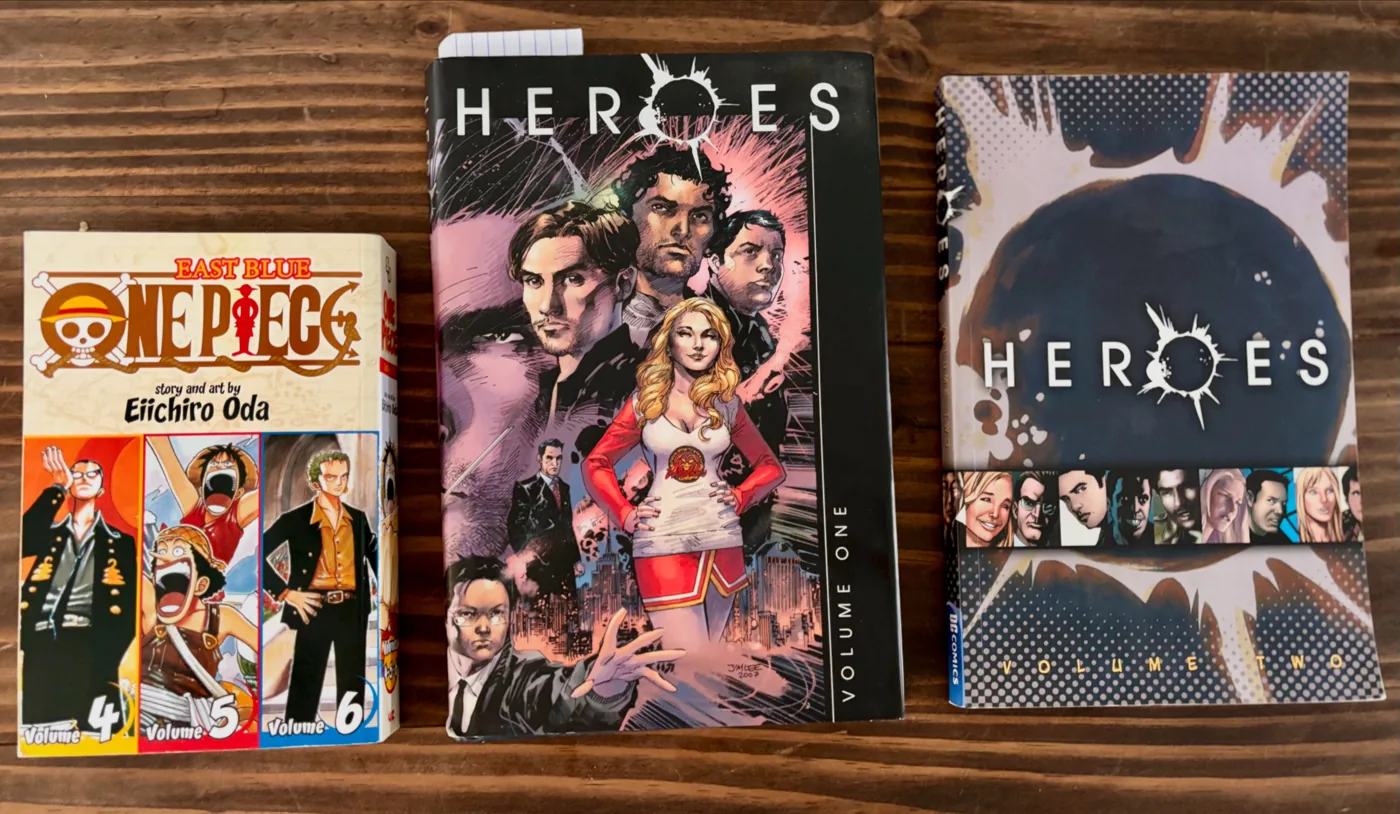
Graphic novels and audiobooks
Graphic novels are not a shortcut. They are a rich story form. The mix of art and text can be ideal if your focus feels scattered or if plain pages feel scary. Memoir, fantasy, literary fiction, horror, and nonfiction all come in graphic form.
Audiobooks count too. They are especially helpful for commuters, parents, walkers, crafters, and anyone too tired to sit still with a book. A good narrator or full cast can make reading feel deep and flexible. Audible is a great app to load on your phone to listen to great books on the go!
4. Match the Book to Your Real Life
A reading habit lasts when it fits the life you actually have. Busy workers may need a book that lives in a bag or on a phone, ready for five-minute gaps. Parents may do better with audiobooks during chores or short chapters after bedtime. Students and office workers who read all day may need fiction that feels far from work.
Use this quick framework when choosing your next book:
| If you feel… | Try this kind of book | Why it helps |
|---|---|---|
| Distracted | Mystery, thriller, short chapters | Creates speed and good stopping points |
| Tired | Audiobook, comfort read, reread | Cuts effort while keeping the habit alive |
| Overwhelmed by choice | One bestseller, one friend pick | Cuts decision fatigue |
| Put off | Novella, graphic novel, YA | Makes finishing feel possible |
| Bored by old picks | New genre or format | Adds novelty and curiosity |
| Guilty about not reading | Any book you truly want | Rebuilds joy before discipline |
This is also where a small to-read list helps. Keep two lists: a short-term list with three books you are excited about now, and a long-term list for everything else. That way, when you finish one book, you do not lose speed choosing what comes next.
5. Make Your Environment Do Some of the Work
Willpower is shaky, especially after a draining day. Your surroundings can make reading easier without a major life change. Put a book where your phone usually goes. Keep an ebook app on your home screen but move social apps into a folder. Leave an audiobook queued before your commute or walk.
Try pairing reading with a routine you already have. Read with morning coffee, during lunch, after skincare, before sleep, or while you wait for a child’s practice to end. The habit gets easier when it sticks to something you already do.
A few practical setup tips:
- Create a visible reading spot. A book on the pillow, couch, or kitchen table is a clear cue.
- Use airplane mode for short sessions. Ten distraction-free minutes beat 30 interrupted ones.
- Carry one easy option. A slim paperback, ebook, or downloaded audiobook turns dead time into reading time.
- Keep expectations modest. Two pages on a hard day still protect the habit.
- Make stopping normal. If a book does not catch you after a fair try, move on.
The Rule of 50: if a book has not hooked you after about 50 pages, you can quit. You can change the number, but the idea is useful. Your time and attention are limited, and not every book is right for this season.
6. Add Community Without Adding Pressure
Reading can be solo, but it does not have to feel lonely. A book club, reading buddy, library group, or online group can give you ideas and support. Social reading works best when it invites curiosity instead of turning reading into another score.
If a formal book club feels like too much, make it lighter. Text a friend when you start a book. Ask for one recommendation and a short note on why they liked it. Follow readers who share books in genres you already enjoy. Online spaces such as BookTok can help you find lively tips, but sample books instead of assuming every viral title fits you.
You can also make tiny rituals with others: a monthly library trip, a shared audiobook for a road trip, or a silent reading hour with a friend on video. The point is not to optimize your reading life. It is to make books feel near, social, and easy to return to.
7. Keep the Habit Fun After the First Book
The first finished book is a spark. To keep it going, plan your next step before you need it. Choose your next book while you are still reading the current one, and keep your options varied: one fast book, one comfort read, one audiobook, and one someday book.
It also helps to notice what worked. Did you read more when chapters were short? Did you like listening while walking? Did a mystery hold your attention better than literary fiction? Your reading taste may have changed, and that is not a problem. It is useful data.
Here is a simple momentum checklist:
- I have one current book and one next book.
- My current book fits my real energy.
- I have a daily reading cue, even if it is only 10 minutes.
- I can use print, ebooks, audiobooks, or graphic novels.
- I can quit books that make reading feel like a punishment.
- I choose at least some books for joy, not self-improvement.
When people search for the best books to get back into reading, they are often looking for a way back to themselves: their curiosity, calm, or private joy. The right book helps, but the right mindset helps even more.
The goal isn’t a streak. It’s a habit of reading you’d miss if it disappeared.
When you are ready for something longer, my guide to the best novel series for adults has eleven series worth committing to.
How to Get Into Reading If You’ve Never Been a Reader
Everything above works if you’re starting from zero, too. I’d know. I wasn’t a reader as a kid. I didn’t really get into reading until my early 20s, when a buddy got me into fiction and The Expanse hooked me.
If you’ve never had a reading habit to come back to, a few things matter even more:
- Start with a story you already like. If you love a movie or a show, read the book it came from, or another book in the same genre. You already know you like that kind of story.
- Skip the classics for now. For a lot of people, the only memory of reading is assigned books in school. Pick something because it sounds fun, not because it’s on a list.
- Try audiobooks or graphic novels first. They count, and they build the habit of following a story while your reading stamina catches up.
- Expect it to feel slow at first. It gets easier. After a while you stop noticing the words, and the story starts playing out in your head like a movie.
You don’t need to become a “serious reader.” You just need one book you can’t wait to get back to. After that, it gets a lot easier to pick up a book and read again tomorrow.
A Simple Takeaway for Restarting Today
Do not wait for the perfect book, the perfect schedule, or the perfect version of your focus. Pick one inviting book, read for 10 minutes, and stop before it feels heavy. Choose a book you love, be it a thriller, YA, novella, graphic novel, or audiobook, that keeps you engaged.
Reading comes back through repetition, but it stays through pleasure. Start small, choose well, and let the habit grow at a human pace. To make it stick for good, see how to start reading as a hobby.
Get the Free Reading Restart Checklist
Want a simple plan for your first 30 days? It’s a one-page PDF with a 30-day plan and a reading tracker you can print.
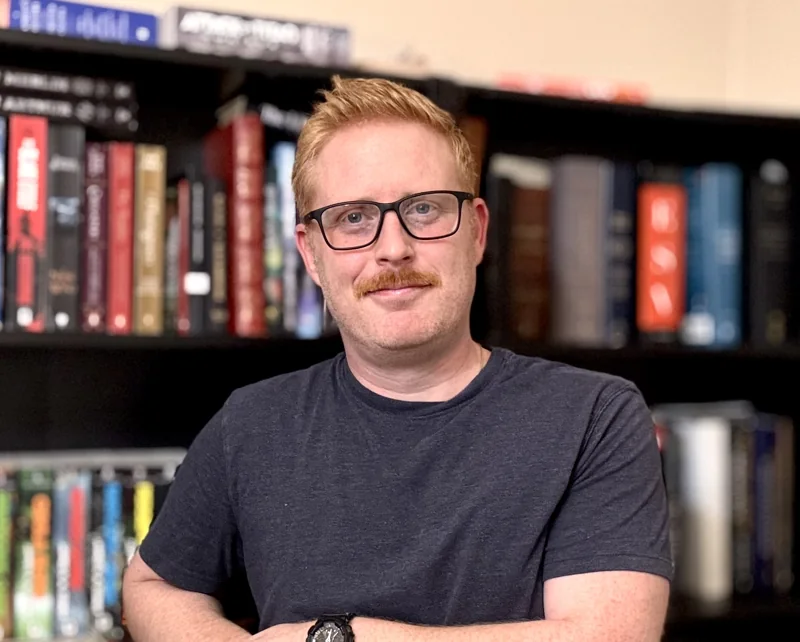
About the author: Brian Mills wasn’t a reader growing up. He found books in his early 20s and now reads across sci-fi, fantasy, history, and nonfiction.